
Raxitid 150 mg (Roxithromycin)
| Active Ingredient | Roxithromycin |
|---|---|
| Indication | Bacterial Infections |
| Strength | 150mg |
| Manufacturer | Sun Pharmaceutical Industries Ltd |
| Packaging | 10 tablets in 1 strip |
| Delivery Time | 6 To 15 Days |
Raxitid 150 mg (Roxithromycin) |
||||
|---|---|---|---|---|
| Pack Size | Price: | Quantity | Add To Cart | |
Price range: $25.00 through $50.00
Add to wishlist Add to compareAsk about productDescription
What is Raxitid 150 mg?
Raxitid 150 mg is a medication that contains Roxithromycin as its active ingredient, commonly used to reduce the production of stomach acid. It is often prescribed to treat various gastrointestinal conditions like heartburn, ulcers, and gastroesophageal reflux disease (GERD). Ranitidine is classified as an H2 (histamine-2) receptor antagonist, which helps control the amount of acid produced by the stomach.
Uses of Raxitid 150 mg
Raxitid 150 mg is primarily used for the following medical conditions:
- Gastroesophageal Reflux Disease (GERD): Reduces acid reflux into the esophagus, alleviating symptoms like heartburn.
- Stomach and Duodenal Ulcers: Promotes healing by reducing stomach acid that irritates the ulcerated lining.
- Zollinger-Ellison Syndrome: Manages excessive stomach acid production caused by tumors in the digestive tract.
- Erosive Esophagitis: Heals damage to the esophagus caused by stomach acid.
- Heartburn/Indigestion: Provides relief from occasional acid indigestion and sour stomach.
- Preventing Ulcers: Helps prevent ulcers in patients taking NSAIDs (non-steroidal anti-inflammatory drugs) or under severe physical stress.
Benefits of Raxitid 150 mg
- Effective Acid Reduction: Reduces the production of stomach acid, offering quick relief from heartburn and acid reflux.
- Ulcer Healing: Accelerates the healing of ulcers and prevents their recurrence.
- Symptom Control: Provides long-lasting relief from GERD and indigestion symptoms.
- Prevention of Ulcers: Reduces the risk of developing stomach and duodenal ulcers, particularly for patients on long-term NSAIDs.
How Does Raxitid 150 mg Work?
Raxitid 150 mg (Ranitidine) works by blocking the H2 receptors in the stomach, which are responsible for signaling the stomach to produce acid. By inhibiting these receptors, the drug decreases acid secretion, thereby reducing the acidity in the stomach. This action helps alleviate symptoms like heartburn, heal ulcers, and prevent acid reflux from damaging the esophagus.
How to Take Raxitid 150 mg?
- Administration: Raxitid 150 mg is usually taken orally with or without food.
- Frequency: The typical dosage is 150 mg twice a day or 300 mg once at bedtime, depending on the condition being treated.
- Water Intake: Take the tablet with a full glass of water.
- Timing: Follow your doctor’s instructions regarding meal timing and dosage. If using it for heartburn, it can be taken 30-60 minutes before a meal that might cause symptoms.
Dosage of Raxitid 150 mg
The exact dosage of Raxitid 150 mg depends on the medical condition:
- For Ulcers: 150 mg twice daily or 300 mg once at bedtime for 4-8 weeks.
- For GERD: 150 mg twice daily.
- Zollinger-Ellison Syndrome: Dosages may vary and can go higher based on the severity.
- Heartburn Prevention: 150 mg can be taken once or twice daily, especially before meals.
Missed Dose and Overdose
- Missed Dose: If you miss a dose of Raxitid 150 mg, take it as soon as you remember. If it is near the time of your next dose, skip the missed dose and continue with your regular schedule. Do not double the dose to make up for the missed one.
- Overdose: Symptoms of overdose may include severe drowsiness, confusion, or coordination problems. Seek emergency medical attention if an overdose is suspected.
Available Strengths of Raxitid (Ranitidine)
- Raxitid 75 mg
- Raxitid 150 mg
- Raxitid 300 mg
Side Effects
While Raxitid 150 mg is generally well-tolerated, some side effects may occur:
- Common Side Effects:
- Headache
- Dizziness
- Constipation or Diarrhea
- Nausea
- Fatigue
- Serious Side Effects (seek medical attention if any of these occur):
- Severe allergic reactions (rash, itching, swelling)
- Difficulty breathing
- Yellowing of the skin or eyes (jaundice)
- Unusual fatigue or weakness
- Abnormal heart rate
- Severe stomach pain
Interactions of Raxitid 150 mg
Raxitid 150 mg may interact with other medications, affecting how they work or increasing the risk of side effects. Some known interactions include:
- Ketoconazole, Itraconazole: Reduced absorption of these antifungals due to decreased stomach acid.
- Warfarin: May increase the risk of bleeding.
- Theophylline: Ranitidine may increase its levels in the blood, leading to toxicity.
- NSAIDs: Can enhance the protective effects of Raxitid on the stomach lining but may need close monitoring.
- Procainamide: Ranitidine can increase procainamide blood levels, leading to toxicity.
Always inform your doctor about all medications, supplements, and herbs you are taking before starting Raxitid 150 mg.
Precautions of Raxitid 150 mg
- Pregnancy & Breastfeeding: Consult your doctor before using Raxitid if you are pregnant or breastfeeding.
- Kidney or Liver Disease: Dosage adjustments may be necessary if you have impaired kidney or liver function.
- Allergies: Do not take this medicine if you have a known allergy to ranitidine or any of its ingredients.
- Prolonged Use: Long-term use of Raxitid may increase the risk of vitamin B12 deficiency.
Storage Information
- Temperature: Store Raxitid 150 mg at room temperature (15°C to 30°C).
- Humidity: Keep the medication away from moisture and heat.
- Container: Store in a tightly closed container, away from children and pets.
Availability in the US and UK
- United States: Ranitidine (including Raxitid) was withdrawn from the US market in 2020 due to contamination concerns with a potential carcinogen (NDMA). However, generic and alternative H2 blockers, such as famotidine, are available.
- United Kingdom: Similarly, ranitidine products were suspended in the UK for the same reason. Famotidine is often used as a substitute.
Frequently Asked Questions
Why was Ranitidine (Raxitid) withdraw from the market?
Ranitidine was found to contain NDMA, a probable human carcinogen, leading to its withdrawal from the US and UK markets. Famotidine is now a common alternative.
What can I use instead of Raxitid 150?
Medications such as famotidine (Pepcid) or omeprazole (Prilosec) are often prescribe as alternatives for conditions previously treated with ranitidine.
Can I still get Raxitid 150 mg in other countries?
In some countries, Ranitidine may still be available, though its use is decreasing globally due to the safety concerns over NDMA contamination.
Is it safe to use Raxitid for long-term treatment?
Long-term use should be monitor by a healthcare provider, as it may increase the risk of B12 deficiency or other complications.
Can Raxitid 150 mg be use to treat allergies?
No, Raxitid (Ranitidine) is not an antihistamine used for treating allergies. It specifically blocks H2 receptors in the stomach, not H1 receptors, which are involve in allergic reactions.
Related products
-
+ wishlist+ compare
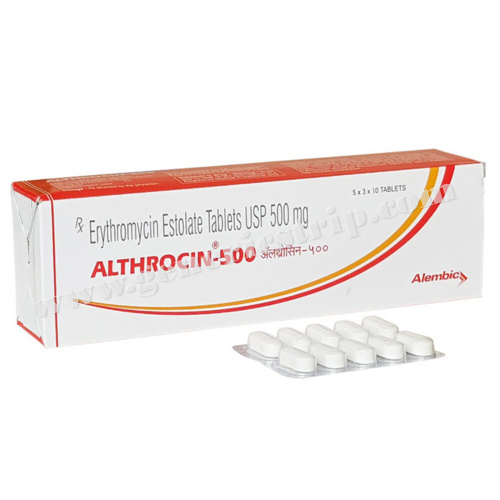
Althrocin 500 mg (Erythromycin)
Price range: $12.80 through $104.00Select options -
+ wishlist+ compare
Azee 250 mg (Azithromycin 250mg)
Price range: $55.00 through $239.00Select options -
+ wishlist+ compare
Amoxyclav 625 (Amoxicillin/Clavulanic Acid)
Price range: $85.00 through $245.00Select options -
-


Reviews
There are no reviews yet.